An editorial guide to gaming chairs and ergonomic office chairs, emphasizing adjustability, body fit, materials, durability and meaningful product evidence.
A gaming chair is not automatically the best seat for gaming
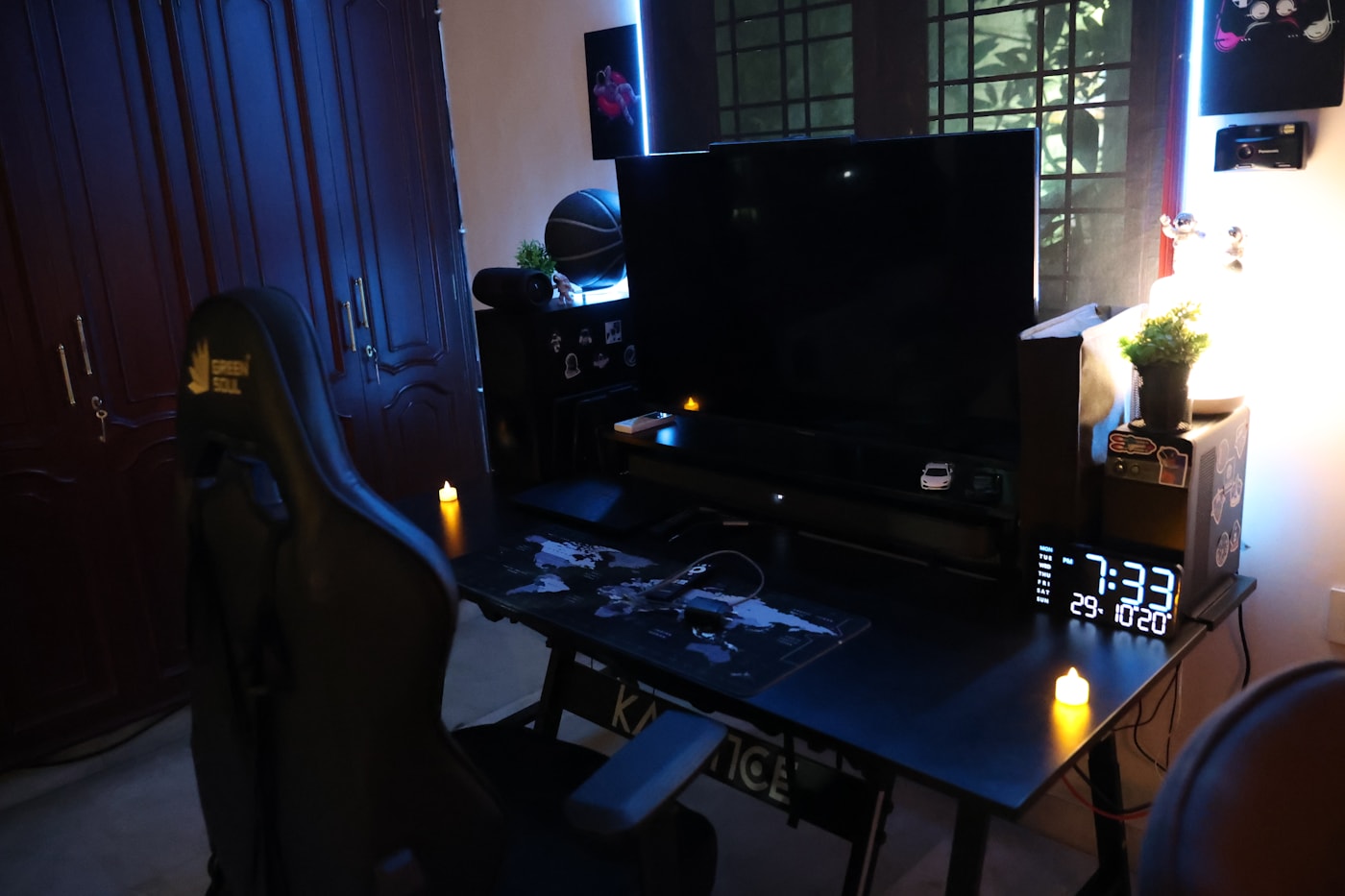
The visual language of gaming chairs often borrows from racing seats, but the design goal of a car seat is different from supporting a person at a desk for long periods. Fixed side bolsters, pronounced shoulder wings and decorative cushions may suit some bodies and restrict others. A conventional office chair can be a better fit when it provides more useful adjustments, but neither category is universally superior. Comfort depends on a specific chair and a specific person.
Start with fit rather than a maximum weight label
A chair can support a stated weight yet still be uncomfortable because the seat is too deep, too narrow or too high. Feet should be supported, thighs should not be compressed by the front edge, and the backrest should allow the user to sit in a range of relaxed positions. Measure your desk height and compare published seat-height, seat-depth and seat-width dimensions against your own seating needs. Very tall, short or broad-shouldered buyers should be particularly wary of products described only as one-size-fits-all.
Adjustability should solve a real problem
Height adjustment is common, but adjustable armrest height and width, seat depth, lumbar support and recline tension may matter more for comfort over a full day. The ideal lumbar shape is individual: an aggressive cushion can push the spine forward while a flat backrest may provide insufficient support for another person. Try the mechanism, adjust it and assess whether it remains comfortable after more than a few minutes. No chair should require a rigid posture for hours at a time.
Materials determine part of the ownership cost
Synthetic leather upholstery may be easy to wipe clean but can retain heat and eventually peel depending on construction and care. Fabric and mesh can offer different temperature and maintenance characteristics. Inspect seams, foam resilience, armrest wobble, casters, tilt mechanism and replacement-part availability. Warranty terms should specify which components are covered and how service is delivered. A strong claim about steel frames means little when the armrests or recline mechanism are difficult to replace.
What safety and durability claims can and cannot tell you
References to ANSI/BIFMA seating standards or third-party tests may be useful, but buyers should verify the exact standard, tested model and certification claim rather than relying on a generic badge. Durability testing cannot predict comfort for a particular person. Likewise, marketing terms such as ergonomic, orthopedic or posture-correcting do not establish that a chair will prevent back pain. Occupational ergonomics guidance favors appropriate workstation fit and movement rather than a single supposedly perfect seating posture.
A desk setup matters as much as the chair
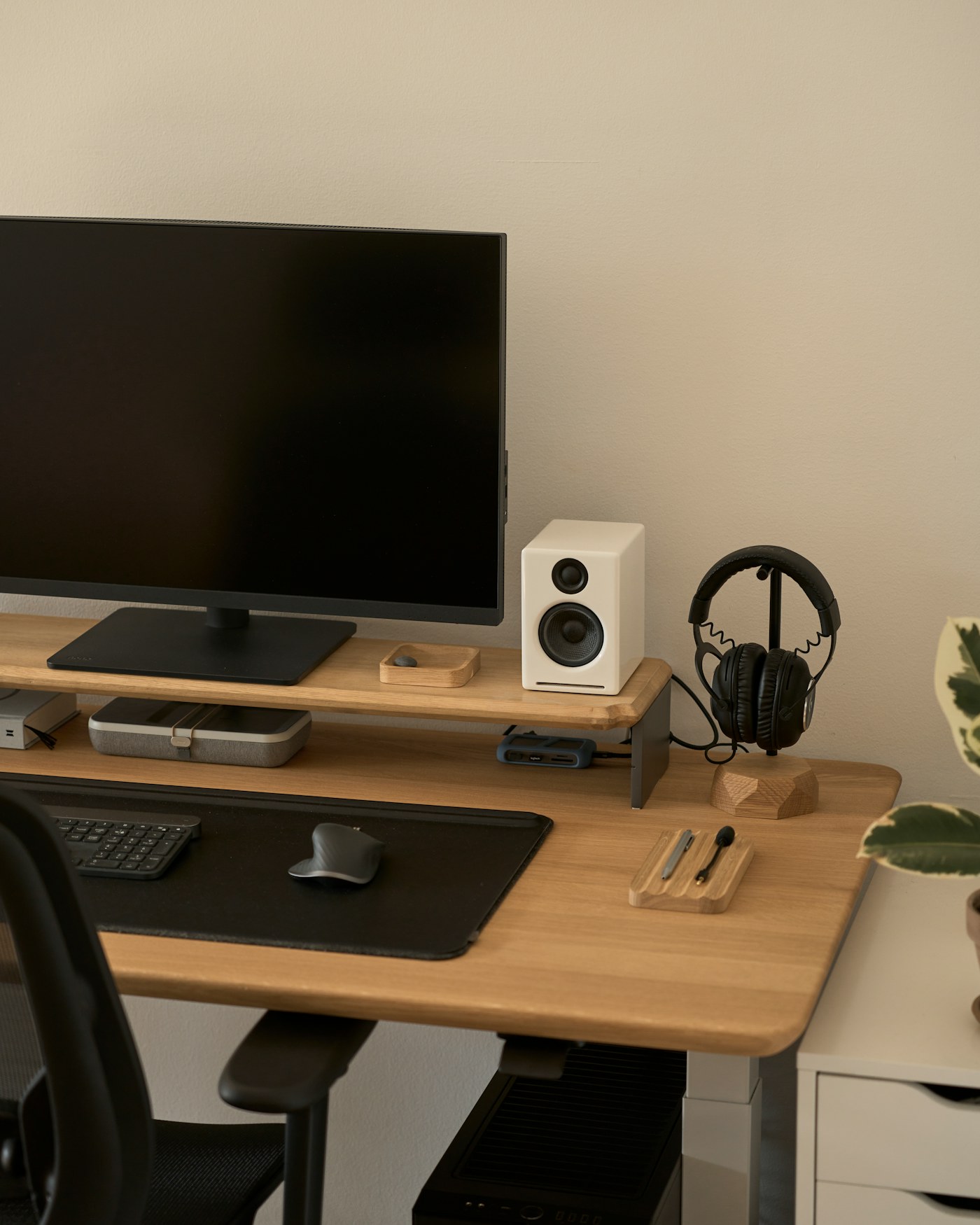
Chair height must be considered together with desk height, keyboard location, monitor position and foot support. If a desk is too high, raising the chair without a footrest can introduce another problem. Position the display so viewing does not require persistent neck extension and place frequently used controls within comfortable reach. Regular changes in posture and breaks remain important regardless of chair price or branding.
How to compare offers without mistaking price for quality
Before clicking through to a retailer, make a short list of dimensions and adjustments you need. Check the actual delivered price, return shipping cost, assembly requirements and whether opened chairs can be returned. Where possible, sit in the chair before committing; otherwise prefer a meaningful return window. GameRigAdvisor has not independently comfort-tested the specific chairs mentioned by retailers, and a marketplace listing is not a substitute for fit evidence. If your budget must cover both chair and desk upgrades, prioritize the complete workstation rather than a visually dramatic seat.
What established workstation guidance actually recommends
The U.S. Occupational Safety and Health Administration identifies adjustability and fit as central chair-selection criteria. Its computer-workstation chair guidance recommends checking back support, seat support, armrests and the base, while adjusting the chair in relation to the desk and other equipment. The significance is practical: a chair's brand, gaming aesthetic or maximum weight rating does not establish whether it supports the user's posture and proportions.
OSHA also recommends trying different chairs before buying because a well-adjusted design must accommodate individual bodies and changes in seated position. This is not proof that any one specific chair prevents injury or discomfort. It is a basis for evaluating dimensions, adjustment range and fit. When shopping remotely, buyers should compare seat-height and depth ranges, lumbar adjustment, armrest movement, warranty language and return costs before giving priority to marketing claims about ergonomics.
GameRigAdvisor does not currently have a validated dedicated gaming-chair offer category in its recorded product feed. We therefore do not present unrelated computers or accessories as chair recommendations. This guide is an independent selection resource until relevant chair listings can be verified. For a complete gaming setup, our gaming monitor research guide addresses display positioning and related purchasing priorities.
Research basis and limits
This guide draws on established product characteristics and ergonomics or display-testing methodology, rather than claimed hands-on testing. Specifications, retailer terms and product availability must be verified for the exact model.
Further reading: OSHA computer workstation seating guidance.
Chair fit and durability checklist
| Factor | What to examine | Why it matters |
|---|---|---|
| Seat dimensions | Width, depth and edge shape | Body fit matters beyond listed weight limit |
| Adjustability | Seat height, arms, backrest, lumbar support | Reduces dependence on a single fixed posture |
| Material | Mesh, fabric, foam and surface durability | Changes breathability, maintenance and wear |
| Ownership | Returns, parts, assembly, warranty | Important when comfort cannot be judged online |